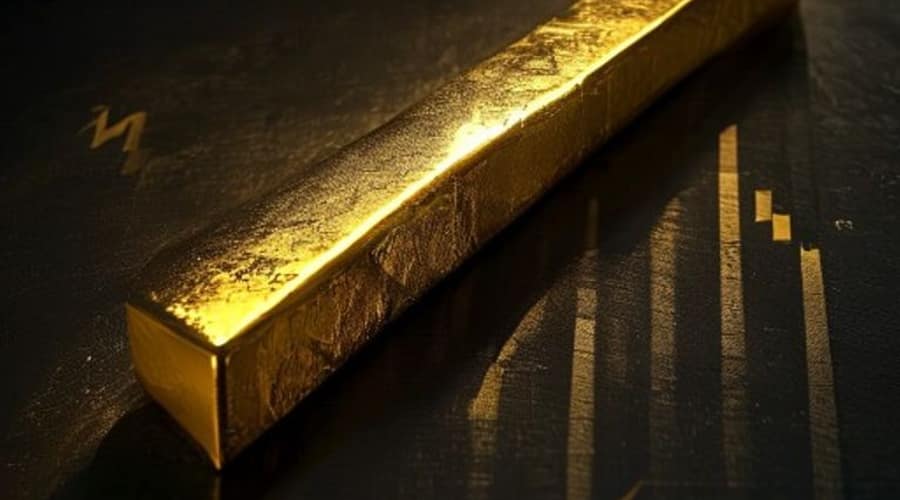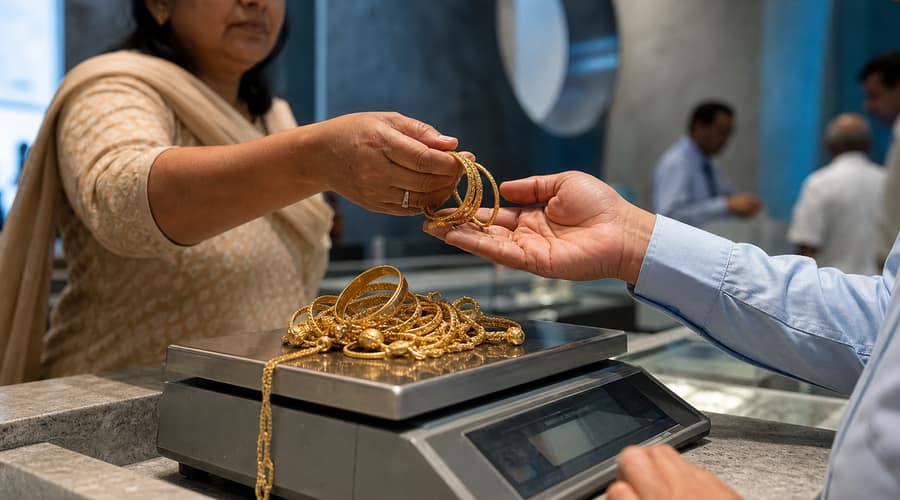
A viral 'My first gold coin' trend swept social media today as Paxos and PayPal opened fractional tokenized gold to retail buyers for the first time, logging over 120,000 transactions within hours of launch.
There is something quietly significant about the moment when a financial product becomes a social ritual. At 09:00 ET this morning, Paxos and PayPal went live with the Heritage Gold series, a tokenized gold product that lets anyone buy a fraction of an investment-grade gold bar for as little as $20. By mid-afternoon, #MyFirstGoldCoin was dominating feeds, with first-time buyers posting screenshots the way a previous generation once posted unboxing videos. The numbers behind the trend are real: approximately $15 million in initial volume across 120,000-plus on-chain transactions recorded in the first six hours alone.
The mechanics are straightforward. Each Heritage Gold token represents a 1:1 claim on physical gold held in Brink's vaults, with the Ethereum blockchain providing a public, auditable record of ownership. PayPal handles the user-facing experience, giving its estimated 430 million active account holders a familiar checkout flow for what is, in substance, a commodity position. Paxos provides the regulated infrastructure underneath. For the launch period, fees are zeroed out entirely, removing the friction that typically discourages small retail purchases of precious metals.
The timing is not accidental. The U.S. Federal Reserve's recent rate pause has rekindled appetite for safe-haven assets, and gold has been a direct beneficiary. Retail investors who might have chased speculative altcoins during the 2021 bull cycle are now gravitating toward hard-money accumulation. The 'My first gold coin' framing borrows its cultural vocabulary from meme culture, specifically echoing the legacy Reddit Gold award, but the underlying behavior is meaningfully different from prior crypto trends: people are buying an asset with five thousand years of monetary precedent, not a speculative token.
Physical gold has always had a distribution problem. Buying a coin at a dealer requires showing up in person; ETFs sit inside brokerage accounts that many younger investors have never opened; futures are inaccessible to most retail participants entirely. Fractional tokenization on a payments platform like PayPal collapses all of that. The minimum buy of $20 is lower than a month of a streaming subscription, and the custody question, historically a deterrent, is answered by institutional vault storage with blockchain verification.
That combination could reshape who owns gold. The demographic historically associated with precious metals investment skews older and more conservative. A frictionless mobile-first on-ramp, distributed through a platform with hundreds of millions of users and amplified by social media virality, points at a very different buyer profile. If even a fraction of PayPal's active base adds a token or two, the aggregate flows into physically-backed gold products could be material.
The broader implication for digital assets is also worth tracking. Tokenized real-world assets have been discussed as a category for years without breaking into mainstream retail adoption. Heritage Gold may be the first product in the space that has genuinely cleared that bar in a single day, not because of sophisticated DeFi mechanics, but because it was simple, cheap to enter, and arrived at exactly the moment macroeconomic anxiety made gold feel relevant again.
The zero-fee window closes after 24 hours, so the coming days will test whether demand holds at standard pricing or whether today's volume was partly a promotional artifact. Either way, the infrastructure is now live and the cultural moment has been established. Watch whether competing platforms, Stripe, Cash App, Venmo's parent, move to offer comparable products in the months ahead. The race to own the retail commodity on-ramp may have started this morning.
Also read: A cracked denture at a Portland care home just sent gold futures trading volume soaring 4 percent • A cracked denture at a Portland care home just sent gold futures trading volume soaring 4 percent • A Chinese mayor sentenced to death had 13.5 tons of gold and 23 tons of cash hidden across his apartments