Julian Lim is an entrepreneur, technology writer, and a researcher. He started JL Data Analysis after graduating from NUS in Intelligent Systems. Julian writes about technology innovations and entrepreneurship on Business Times, Asia Pacific Magazine and occasionally contributes to Startup Fortune.
Google is moving into AI-powered cybersecurity just as Anthropic's Mythos has set the benchmark, raising pressure on startups and security vendors built around the model.
Japan will allow qualifying foreign-issued stablecoins to be used as legal electronic payment instruments from June 1, 2026, provided issuers meet equivalence tests on licensing, custody and foreign supervision, opening a practical route for global stablecoin issuers and fintechs into Japan's payments market.
Ocean has raised $28 million as AI-powered phishing becomes harder for legacy email filters to catch. The startup is betting that real-time, intent-based analysis will become a new standard in enterprise security.
Google's I/O 2026 overhaul makes Search an AI-first conversational surface powered by Gemini agents, which reduces classic click‑through traffic and rewards structured data, integrations, and agent-friendly product hooks , a direct challenge to SEO-dependent startups and an opportunity for businesses that adapt quickly.
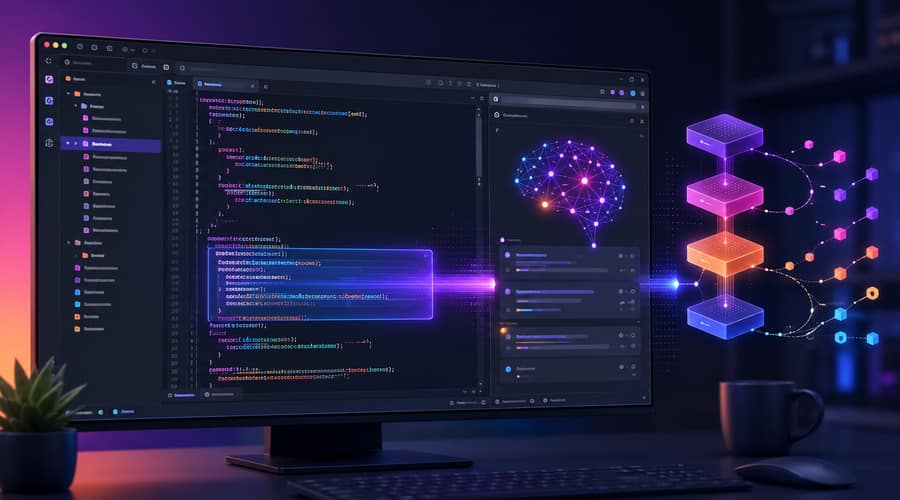
Google is turning Gemini into a more unified multimodal platform, and that could make the company harder to ignore for startups and developers. The real contest now is not just model quality, but which AI stack becomes the default.
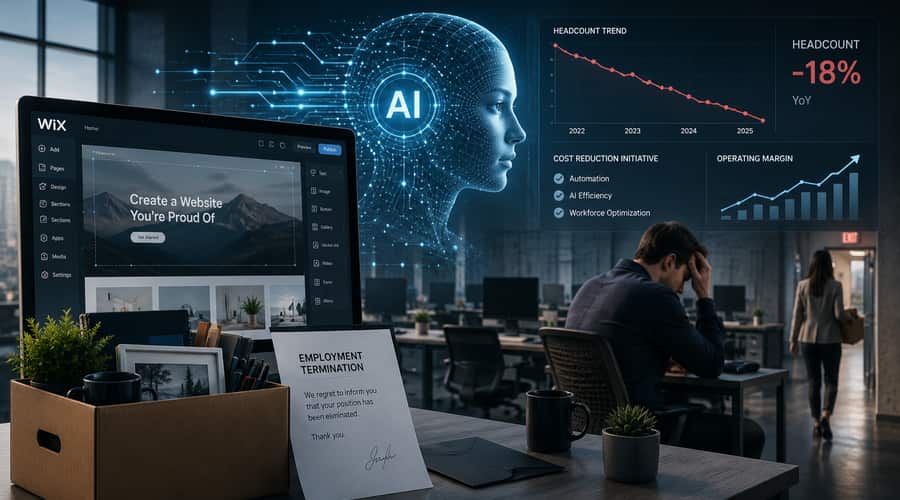
Meta is moving about 7,000 employees into AI roles while preparing fresh layoffs, a sign that Zuckerberg is accelerating the company's shift toward an AI-first model.
Google is using I/O 2025 to show that Gemini, Search and Android now sit at the center of its AI strategy, with new models, agentic features and premium plans aimed squarely at developers and power users.
Vitalik Buterin says AI plus formal verification could make mathematically proven smart contracts practical, turning AI's speed into verifiable security and shifting the industry from hype to foundational reliability.
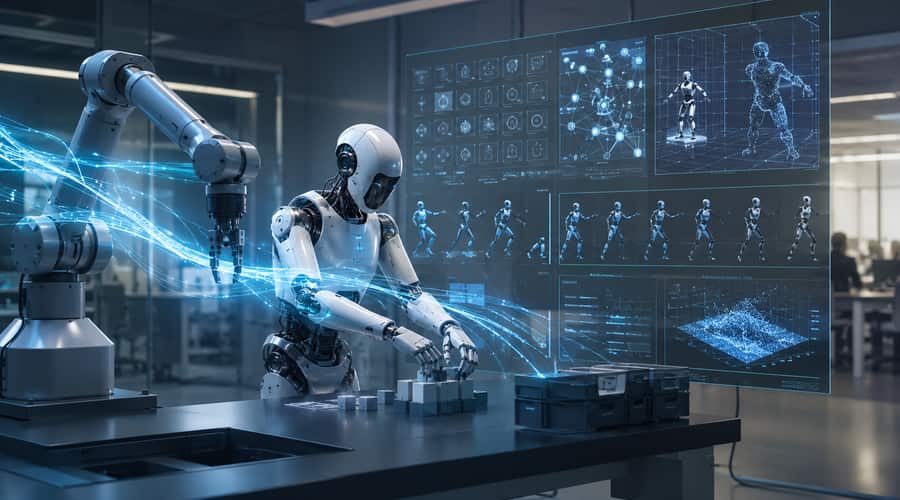
Figure AI's new shift-length package-sorting test is less about viral robotics and more about whether humanoids can survive the economics of warehouse labor.
Alibaba has released Qwen 3.7 to its official site and Qwen Chat, prompting immediate community benchmarking and discussion even as U.S. export controls constrain access to frontier compute, a tension the company has acknowledged publicly.
The Philippines is emerging as a strategic AI infrastructure node as the U.S. pushes allied compute, data center and manufacturing capacity deeper into Southeast Asia.
Linus Torvalds says AI-generated bug reports are overwhelming Linux security work, and the kernel's new rules show why the problem is now a product issue as much as a governance one.
Australia's tokenized bond push is moving from experimentation toward implementation, with the RBA, ASIC, and major banks now focusing on the legal and infrastructure hurdles that will decide whether the market can scale.
The Senate Banking Committee advanced bipartisan crypto legislation in a 15-9 vote, creating a clearer path to federal rules that will raise compliance costs but could unlock institutional capital for startups.
A community researcher's 85 GPU-hour ablation of Qwen3.6-27B shows abliteration can surgically remove refusals while preserving capability, but startups should weigh legal, reputational, and operational costs that often eclipse compute savings.