
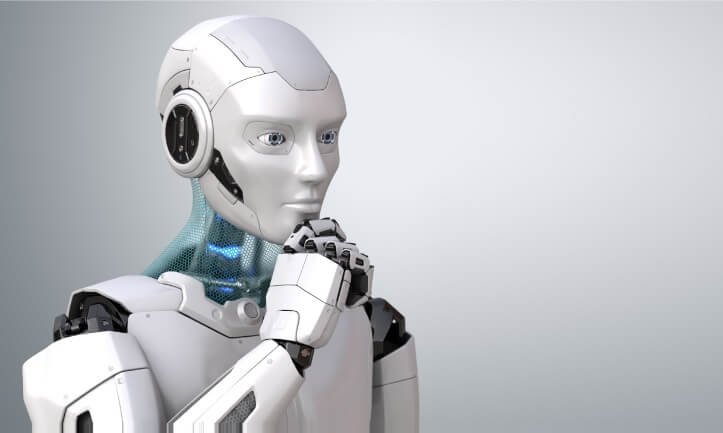
Artificial Emotional Intelligence is no longer a concept confined to science fiction, as Indian entrepreneur Julian Jewel Jeyaraj introduces JJAIBOT, a bot designed to process and respond to human emotions.
Computers have long been integral to our lives, and their capabilities continue to expand at an extraordinary pace. Our interaction with technology is shifting from transactional to relational, moving beyond simple commands toward genuine conversational exchanges. The next logical leap in this evolution involves instilling emotional awareness into machines. It is a progression that reflects our longstanding fascination with building technology that mirrors human qualities. Julian Jewel Jeyaraj has brought this concept closer to mainstream reality with JJAIBOT, an AI bot engineered to follow, analyze, and engage with human emotions. The most compelling aspect of JJAIBOT is its ability to both emit and receive emotional signals, bridging the gap between cold computation and genuine empathetic response.
The practical applications of this technology extend well beyond novelty. JJAIBOT has been trained in cognitive behavioral therapy methods, enabling it to learn emotional profiles and recommend personalized activities such as meditation and breathing techniques to support mental well-being. This is where the technology moves from impressive to genuinely useful. By reading and interpreting human emotional cues, the bot creates corresponding waves within its emotional processing unit, generating an emotional state that allows it to respond with appropriate sensitivity. The implications for mental health support are significant, particularly in regions where access to therapy remains limited or stigmatized.
Jeyaraj has also directed the capabilities of JJAIBOT toward environmental safety and wildlife conservation. The bot is designed to help people understand the tangible effects of climate change through interactive, emotion-based engagement. Rather than presenting users with raw data and statistics, JJAIBOT connects individuals to environmental issues on an emotional level, fostering a deeper understanding of why preservation matters. This approach recognizes that facts alone often fail to motivate action, but emotional resonance can drive meaningful change in how people relate to their surroundings.
The broader influence of AI on sectors like farming, weather prediction, and resource management is already becoming visible. JJAIBOT represents a specific niche within this larger transformation: the intersection of emotional intelligence and machine learning. As AI continues to mature, the integration of emotional awareness into digital tools will likely become a standard expectation rather than an exceptional feature. The bot serves as an early indicator of how emotionally responsive technology could reshape education, healthcare, and environmental advocacy.
Julian Jewel Jeyaraj brings a substantial technical background to this endeavor. His experience spans software engineering, blockchain, machine learning, and artificial intelligence, complemented by years of consulting and mentoring across object-oriented design and programming languages. He is currently focused on building high-performance teams to manage complex next-generation concepts including blockchain, the internet of things, AI, and predictive analysis. JJAIBOT is a clear reflection of this multidisciplinary expertise, combining technical sophistication with a genuine attention to human experience. For those watching the evolution of AI, JJAIBOT is worth tracking as both a technical achievement and a signal of where emotionally intelligent technology is headed next.