Walmart is steadily building a portfolio of blockchain patents that could reshape how drones communicate, how customers resell used goods, and even how everyday shoppers pay at the register.
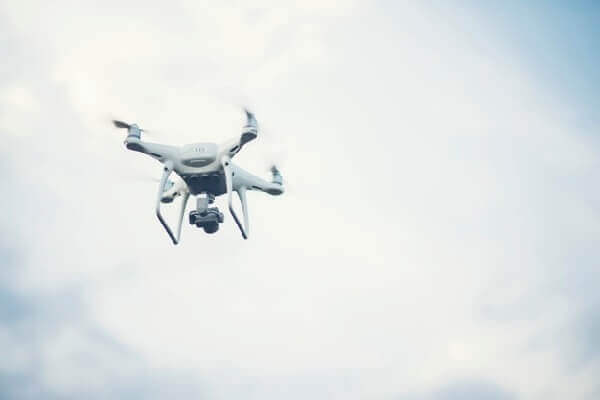
Walmart has filed a patent application for a drone communication system based on blockchain technology, and the implications stretch well beyond package delivery. With this system, the operating parameters of a drone can be encoded and stored on a distributed ledger. This allows drones to pass through each other's locations safely and efficiently, because the receiving drone can decrypt, read, and respond to those parameters in real time. Think of it as a shared language between autonomous machines, one that does not require a central tower or human operator to coordinate traffic.
This is not a one-off experiment. Since 2017, the retail giant has been patenting blockchain solutions specifically designed for drones. In May of that year, Walmart filed a patent application for a system it called "Unmanned Air Delivery to a Safe Place." The concept was straightforward: ensure that a drone can deliver a package to a secure location rather than dropping it on a random doorstep. That early filing signaled Walmart's seriousness about autonomous delivery, and the latest patent application shows how the company plans to manage fleets of drones that need to share airspace without colliding or confusing one another's instructions.
But Walmart's blockchain ambitions do not stop at drones. The company has been exploring the broader potential of distributed ledger technology across several areas of its retail operations. Earlier this month, a patent was filed for a digital currency based on blockchain. According to the documents, Walmart wants to launch a digital currency pegged to a regular currency such as the US dollar. In other words, this is a stablecoin, a digital token designed to hold its value rather than fluctuate like Bitcoin or Ethereum. For a retailer that processes millions of transactions daily, the appeal is obvious. A stablecoin could reduce payment processing fees, speed up transactions, and give Walmart more control over the financial infrastructure behind its stores.
Then there is the second-hand market. On May 17, 2018, Walmart filed a patent application for a blockchain solution designed for a marketplace selling pre-owned items. The application describes a service that records a customer's purchases on the blockchain, creating an immutable proof of purchase. When that customer decides to resell the item, the blockchain record serves as verified proof of authenticity and ownership. This eliminates the guesswork that plagues existing second-hand platforms, where buyers often wonder whether a product is genuine or stolen. By embedding purchase history directly into the blockchain, Walmart could create a resale ecosystem where trust is built into the technology rather than left to user reviews and seller ratings.
What makes these filings noteworthy is not just the technology itself but the breadth of Walmart's vision. The company is not dabbling in blockchain for the sake of a press release. It is systematically identifying areas where distributed ledger technology can solve real operational problems: coordinating drone fleets, streamlining payments, and bringing transparency to resale markets. Each patent builds on the last, creating a roadmap that connects autonomous delivery to in-store payments and beyond.
Walmart has also been flirting with cryptocurrencies for some time now, and these patent applications suggest the company is thinking carefully about how digital assets and blockchain infrastructure fit together. A stablecoin developed by one of the world's largest retailers would not compete directly with Bitcoin. It would serve a completely different purpose, giving Walmart a proprietary payment rail that bypasses traditional card networks and their associated fees.
For competitors and partners alike, the message is clear. Walmart is positioning itself at the intersection of retail logistics and blockchain technology, and it is doing so with the kind of long-term planning that patent portfolios reveal. The drone communication system may sound niche today, but it is one piece of a much larger strategy. Watch for Walmart to continue filing in this space, because each new patent adds another tile to a mosaic that is slowly coming into focus.